Bunions & Big Toe Mobility | A Solution-Based Approach

The big toe is the final point of propulsion in gait. When first metatarsophalangeal (MPJ) dorsiflexion is limited, the entire kinetic chain compensates.
Restrictions at the big toe can impair ankle plantar flexion and hip extension, leading to shortened stride length, abducted gait, low-gear push-off, and inefficient movement patterns.
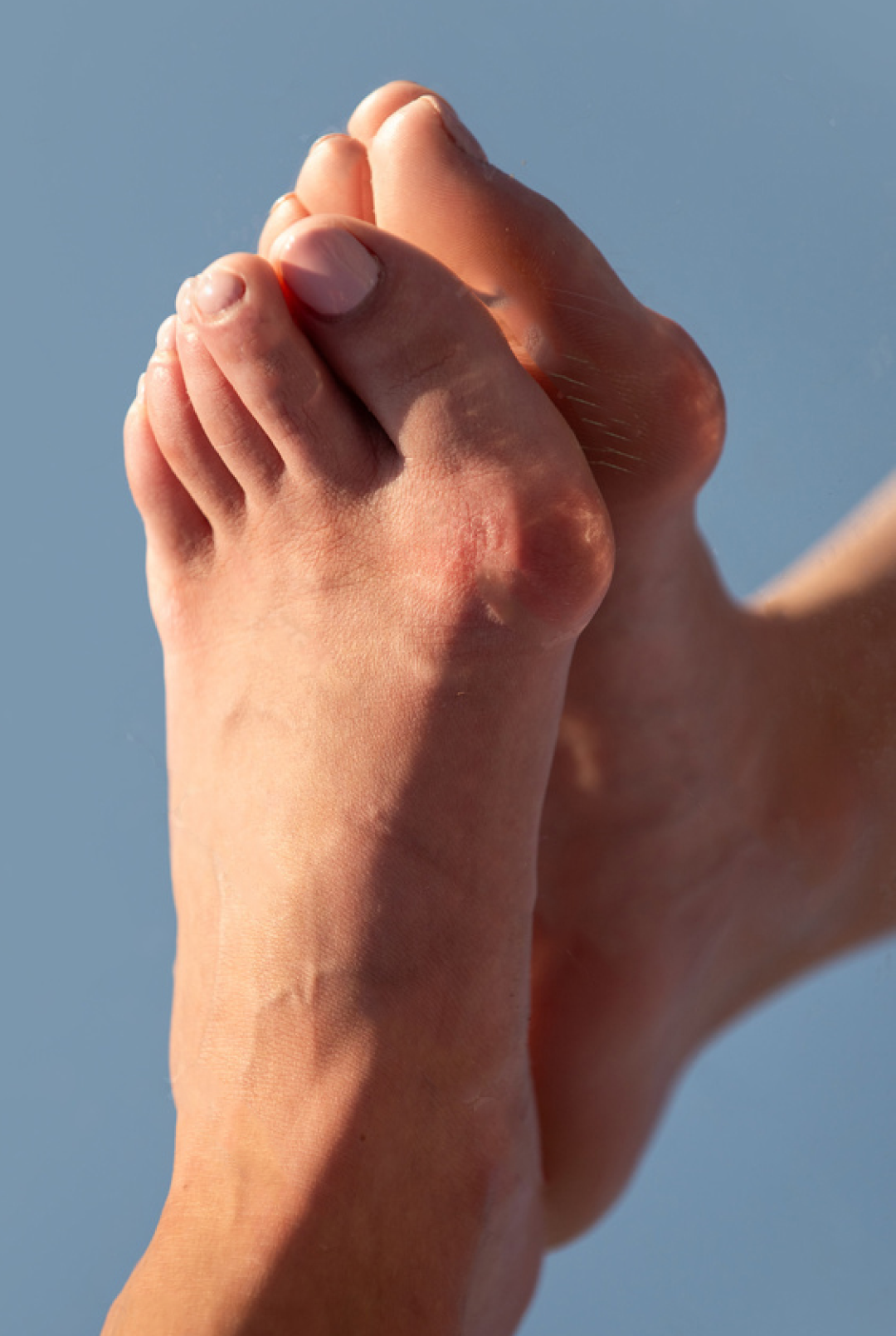
Bunions are not simply cosmetic changes or “a bump.” They represent complex biomechanical and neurosensory adaptations involving instability, ligament laxity, altered load transfer, and compensatory strategies throughout the body.
Understanding bunions through a movement lens allows professionals to guide strengthening, support, and intervention strategies with clarity — not myths.
What You’ll Learn:
- How big toe dorsiflexion influences ankle, hip, and full-chain propulsion
- Why bunion severity is determined by structure, function, and pain — not bump size
- The relationship between rearfoot pronation, midfoot instability, and arch control
- How to differentiate muscle weakness from ligament laxity and structural hallux limitus
- Evidence-informed strengthening strategies for bunion prevention and management
- When orthotics, heel-toe drop footwear, braces, spacers, or wedges may be appropriate
Recommended Products to Enhance Your Experience
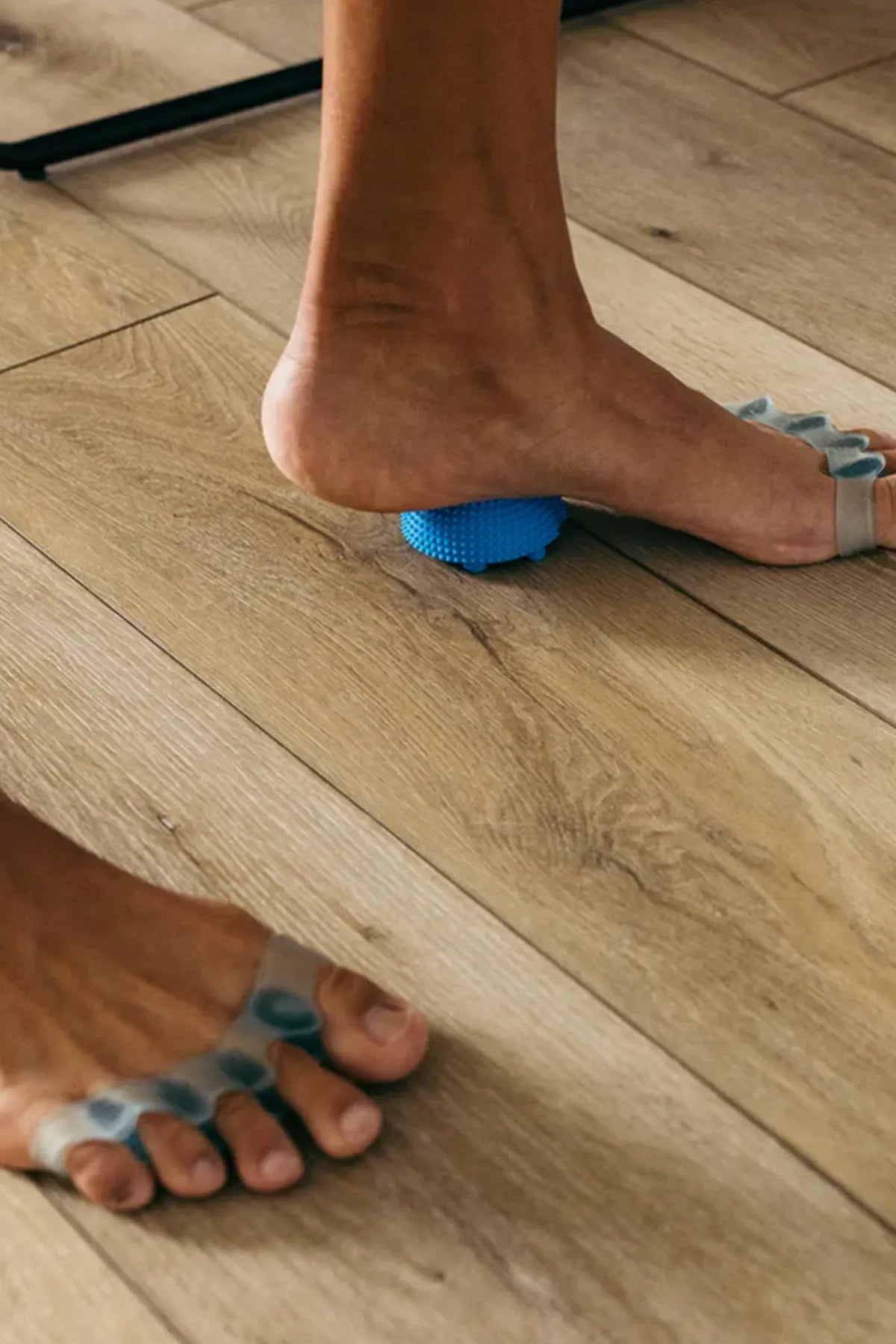
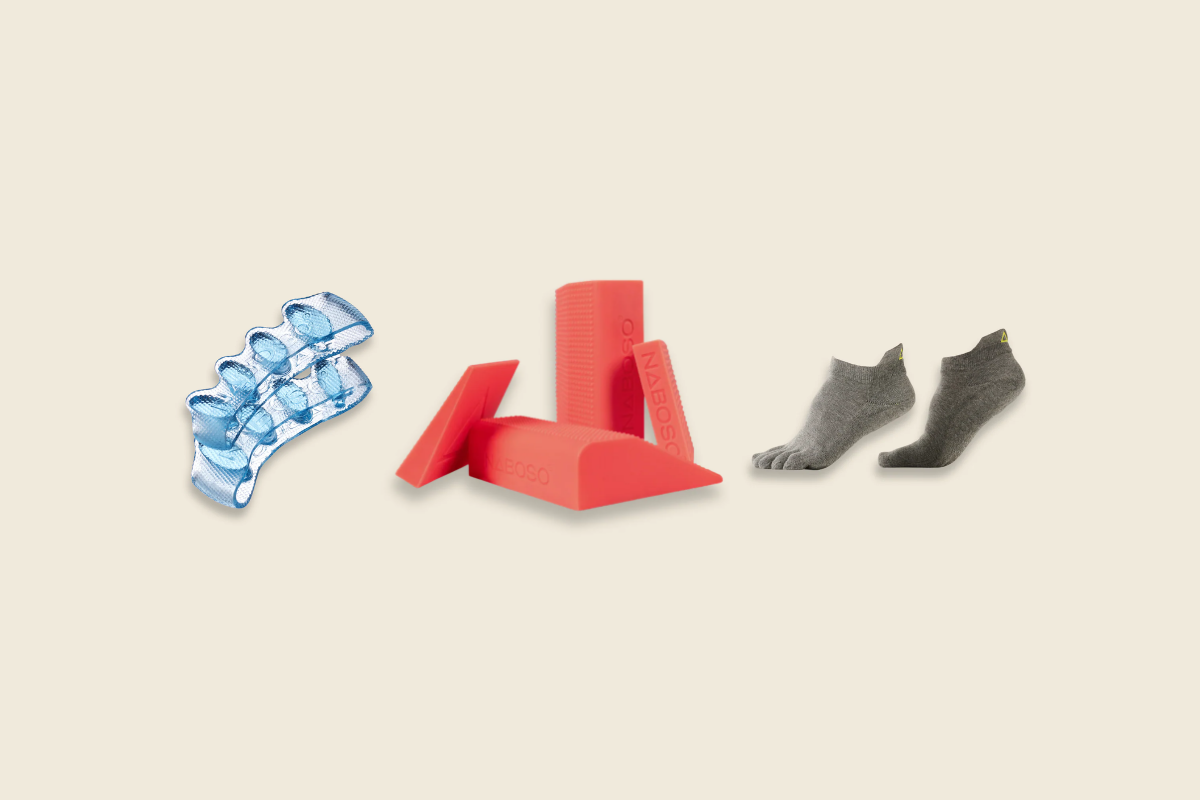
The recommended products for this course include Toe Spacers, Toe Socks and Foot Wedges.
These essential tools allow you to feel the sensory change as you learn it, physically anchoring complex neurological concepts into your own body. By integrating these tools into your practice, they become extensions of your coaching—providing the precise tactile feedback and "sensory stacking" your clients need to succeed.
Explore by Categories
Explore our product categories to discover solutions tailored to your industry and client needs.